The Future of Automation in Manufacturing
Asian Scales Team
February 10, 2024

Automation is transforming the manufacturing industry at an unprecedented pace. This article explores the latest trends, benefits, and implementation strategies for manufacturing automation.
Overview of Manufacturing Automation
Manufacturing automation has evolved from simple mechanization to sophisticated systems that integrate artificial intelligence, robotics, and data analytics. Today's automated systems can perform complex tasks with minimal human intervention.
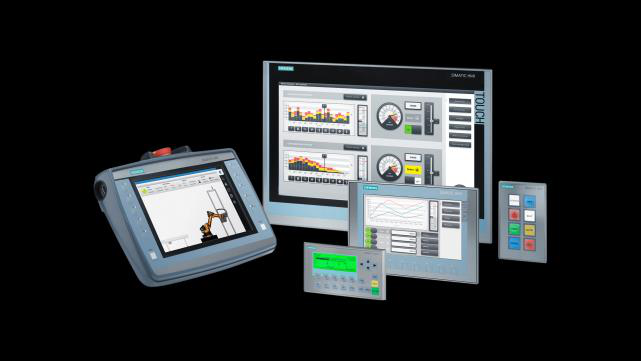
Benefits of Automation
Increased Productivity
Automated systems can operate 24/7 without breaks, significantly increasing production capacity. They maintain consistent quality and speed, reducing production bottlenecks.
Cost Reduction
While initial investment can be substantial, automation reduces long-term operational costs through improved efficiency, reduced waste, and lower labor costs.
Quality Improvement
Automation eliminates human error and ensures consistent product quality. Advanced sensors and quality control systems detect defects early in the production process.
Types of Manufacturing Automation
Fixed Automation
Fixed automation systems are designed for high-volume production of standardized products. They're highly efficient but lack flexibility for product changes.
Programmable Automation
Programmable systems can be reconfigured for different products by changing software. They're ideal for batch production where products change periodically.
Flexible Automation
Flexible automation systems can handle product variety with minimal changeover time. They're perfect for modern manufacturing where customization is key.
Implementation Strategy
Successful automation implementation requires careful planning:
- Assess current processes and identify automation opportunities
- Set clear objectives and success metrics
- Choose the right technology for your needs
- Train staff for new systems
- Plan for gradual rollout and continuous improvement
Future Trends
The future of manufacturing automation includes:
- Integration of AI and machine learning
- Collaborative robots (cobots)
- Internet of Things (IoT) connectivity
- Predictive maintenance systems
- Sustainable and green automation
Conclusion
Automation is no longer optional but essential for competitive manufacturing. Companies that embrace automation will lead in efficiency, quality, and innovation.