Professional Weighing Scale Calibration and Dead Weights
Asian Scales Team
April 20, 2024

Comprehensive guide to weighing scale calibration and the use of certified dead weights for testing and maintaining maximum accuracy in industrial weighing systems.
Understanding Weighing Scale Calibration
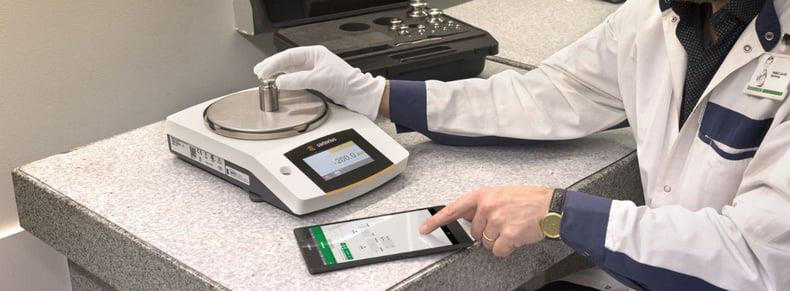
Calibration of weighing scales ensures they give accurate and reliable readings by comparing them with certified standards and adjusting as needed. This critical process maintains measurement accuracy, ensures regulatory compliance, and protects your business from costly errors.
Why Calibration Matters
Regular calibration is essential for several reasons:
- Accuracy Assurance: Verifies that scales provide correct measurements within specified tolerances
- Legal Compliance: Meets requirements for trade-approved scales and legal metrology
- Quality Control: Ensures product quality and prevents over or under-filling
- Cost Control: Prevents financial losses from inaccurate measurements
- Customer Trust: Demonstrates commitment to accuracy and fair trade
The Calibration Process
Pre-Calibration Inspection
Before calibration begins, our technicians perform a thorough inspection of the weighing scale:
- Physical condition assessment
- Leveling verification
- Environmental conditions check
- Review of previous calibration records
- Identification of any visible damage or wear
Calibration Procedure
The calibration process follows industry standards and manufacturer specifications:
- Zero Point Verification: Ensuring the scale reads zero with no load
- Span Adjustment: Verifying accuracy across the scale's operating range
- Linearity Check: Testing at multiple points throughout the weighing range
- Repeatability Testing: Confirming consistent readings for identical loads
- Eccentricity Testing: Verifying accuracy at different positions on the platform
Post-Calibration Documentation
After calibration, we provide comprehensive documentation including:
- Calibration certificate with test results
- Before and after measurements
- Adjustments made during calibration
- Next calibration due date
- Seal and identification marking
Dead Weights: The Calibration Standard
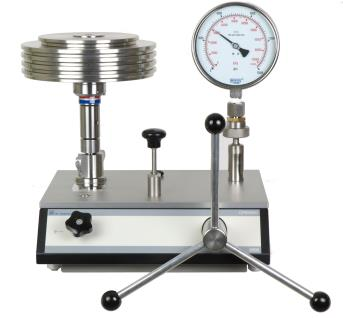
Dead weights are certified reference weights used to test and calibrate scales for maximum accuracy and performance. These precision-manufactured weights serve as the traceable standard against which scales are calibrated.
Types of Dead Weights
Dead weights are available in various classes and configurations:
- Class F1/F2: High precision weights for laboratory and precision scales
- Class M1/M2/M3: Commercial and industrial calibration weights
- Test Weights: Large capacity weights for industrial scales and weighbridges
- Custom Weights: Special weights designed for specific applications
Weight Certification and Traceability
All our calibration weights are certified and traceable to national and international standards. Each weight comes with a certificate of conformity that documents its mass, uncertainty, and traceability to primary standards.
How Often Should You Calibrate?
Calibration frequency depends on several factors:
Regulatory Requirements
Trade-approved scales typically require annual calibration by authorized service providers. Some industries have more stringent requirements based on regulatory standards.
Usage Factors
Consider these factors when determining calibration frequency:
- Frequency of use
- Operating environment
- Criticality of measurements
- Historical accuracy data
- Manufacturer recommendations
Best Practice Recommendations
- Trade Scales: Annual calibration minimum, quarterly recommended
- Laboratory Scales: Quarterly to monthly depending on usage
- Industrial Scales: Semi-annual to annual calibration
- Critical Process Scales: Monthly verification with quarterly full calibration
In-House Verification vs. Professional Calibration
Daily Verification Checks
Operators can perform basic verification checks using check weights:
- Zero point verification
- Single point weight check
- Visual inspection
- Function testing
Professional Calibration Services
Full calibration requires professional services including:
- Multi-point testing across the weighing range
- Certified calibration weights
- Traceable documentation
- Adjustment and fine-tuning
- Compliance certification
Environmental Factors Affecting Calibration
Several environmental conditions can impact scale accuracy and calibration:
- Temperature: Thermal expansion affects load cell performance
- Humidity: Can affect electronic components and mechanical parts
- Vibration: External vibrations introduce measurement errors
- Air Currents: Drafts affect sensitive scales
- Electromagnetic Interference: Can disrupt electronic weighing systems
Our Calibration Services
We provide comprehensive calibration services for all types of weighing equipment:
- On-site calibration at your facility
- Laboratory calibration services
- Emergency calibration and repair
- Calibration management programs
- Training for in-house verification procedures
Certified Technicians
Our calibration technicians are trained and certified to perform calibrations according to industry standards. We use only certified dead weights and calibration equipment that is regularly verified and traceable to national standards.
Conclusion
Regular calibration using certified dead weights is essential for maintaining the accuracy and reliability of weighing scales. Whether for legal metrology compliance, quality control, or operational accuracy, professional calibration services ensure your weighing equipment delivers the precision your business requires. Contact us to schedule your calibration service or to learn more about our dead weight inventory and calibration programs.